Uzbekistan’s approaches to preventing extremism presented
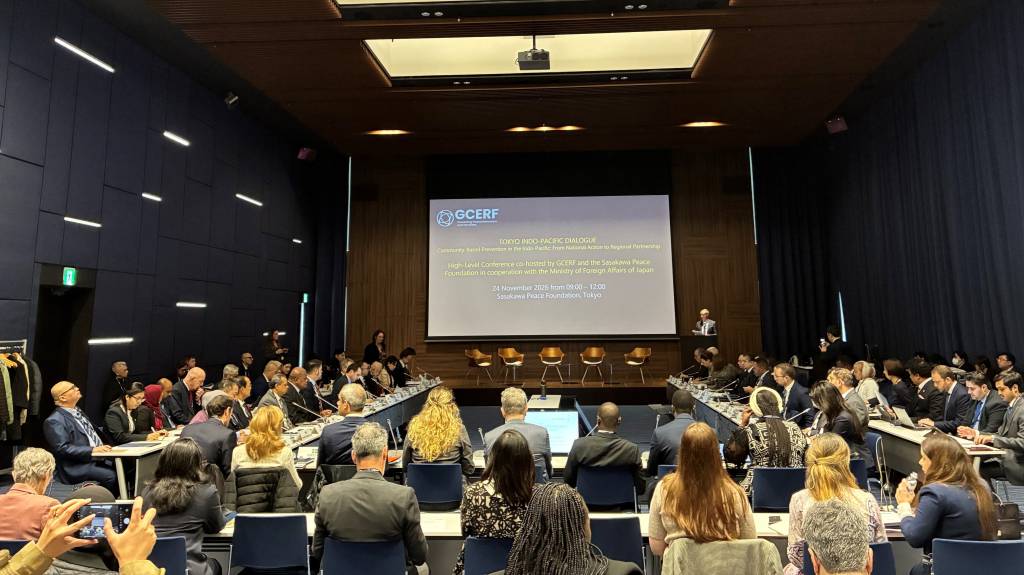
Eldor Aripov, Director of the Institute for Strategic and Regional Studies under the President of the Republic of Uzbekistan (ISRS), is taking part in the Tokyo Indo-Pacific Dialogue, being held on 24-25 November 2026 under the theme “Strengthening Community Resilience, Prevention and Regional Cooperation”.
The event is organized by the Global Community Engagement and Resilience Fund (GCERF) and the Sasakawa Peace Foundation in cooperation with Japan’s Ministry of Foreign Affairs.
The dialogue forms part of the program of the 25th meeting of the GCERF Governing Board and brings together senior government officials, Board members, the Fund’s partners and civil society representatives.
Participants are sharing national experiences in preventing violent extremism and discussing opportunities to expand partnerships in this area across the Indo-Pacific region.
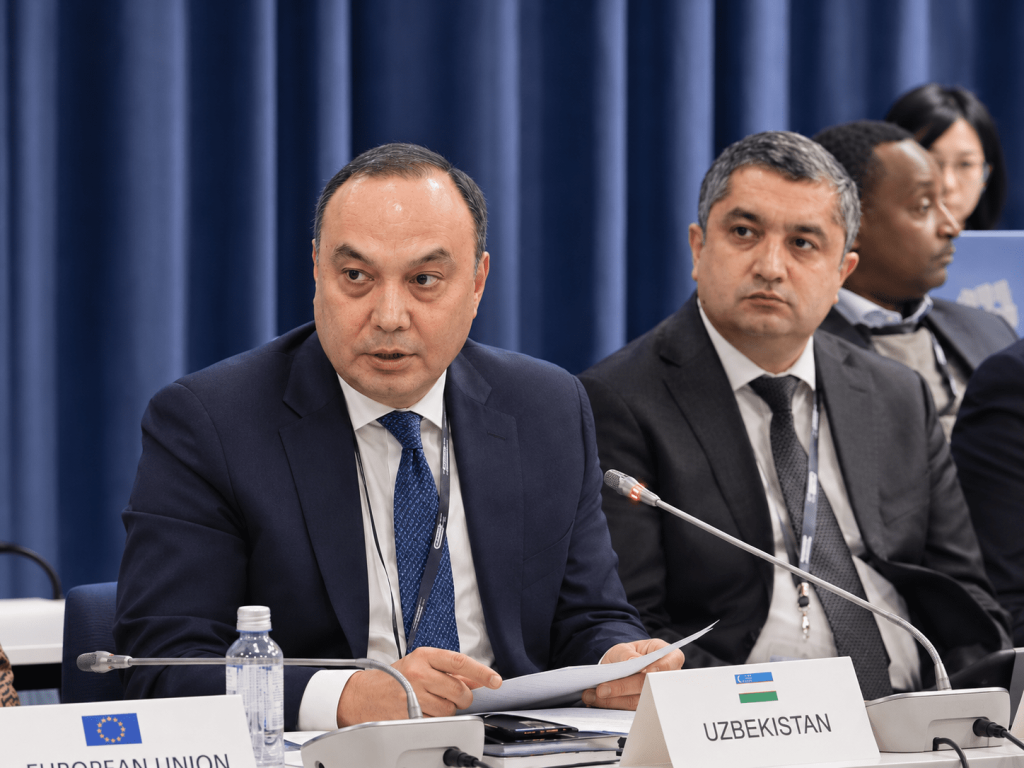
Speaking at the event, Mr. Aripov emphasized that the transnational nature and constant evolution of extremist and terrorist threats require more effective responses and closer international cooperation.
In this context, he outlined the work being undertaken in Uzbekistan under the leadership of President Shavkat Mirziyoyev. Participants showed particular interest in measures to help people reintegrate fully into society. Since 2019, more than 530 Uzbekistan citizens, predominantly women and children, have been repatriated from conflict zones through the “Mehr” humanitarian operations.
Among other priorities, Mr. Aripov highlighted efforts to strengthen interethnic and interfaith harmony and advance education and public awareness. He noted the role of research centers in promoting the values of peace, tolerance and humanism.
Alongside its national efforts, Uzbekistan attaches particular importance to cooperation with countries in the region, the ISRS Director noted. He presented the work of the Regional Expert Council on Rehabilitation and Reintegration of Returnees from Conflict Zones, launched in 2024 at the initiative of the President of Uzbekistan, with support from the United Nations Office of Counter-Terrorism (UNOCT). He also briefed participants on the President’s proposal to transform the Council into an International Competence Center to facilitate the exchange of experience and the dissemination of effective practices.
Mr. Aripov also devoted particular attention to the partnership with GCERF. He noted that cooperation mechanisms were developed following the signing of a memorandum between ISRS and the Fund in 2024. GCERF currently funds three projects implemented by Uzbek non-governmental organizations to expand social services, promote employment and entrepreneurship, and support returnees, single mothers and migrant families.
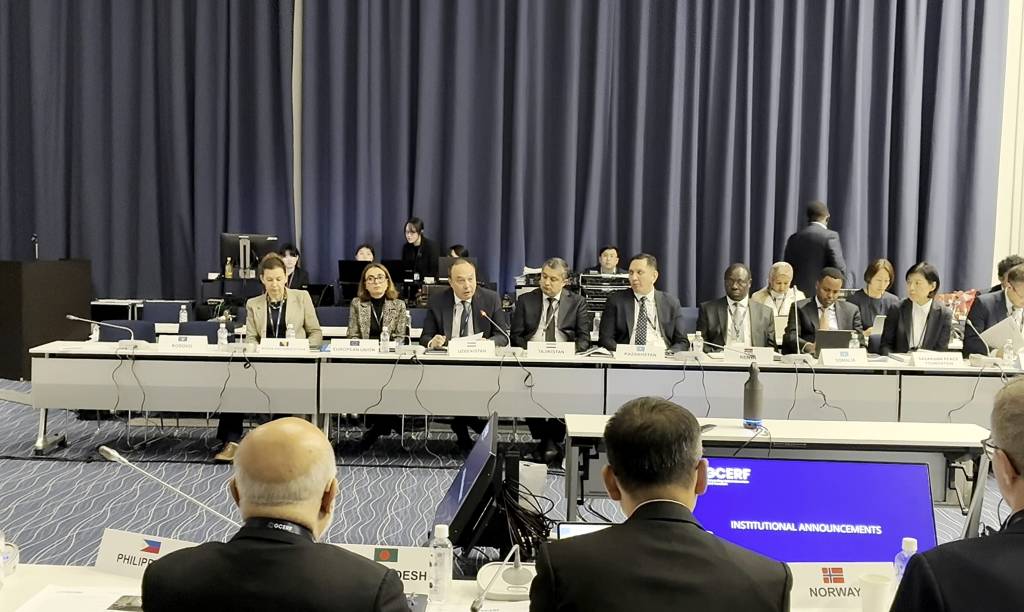
Addressing efforts to protect young people from extremist propaganda online, he outlined a project to establish a media center for digital resilience. The center will help develop critical thinking, media literacy and skills for creating positive online content.
UzA