Regional cooperation on sustainable wheat production discussed in Samarkand
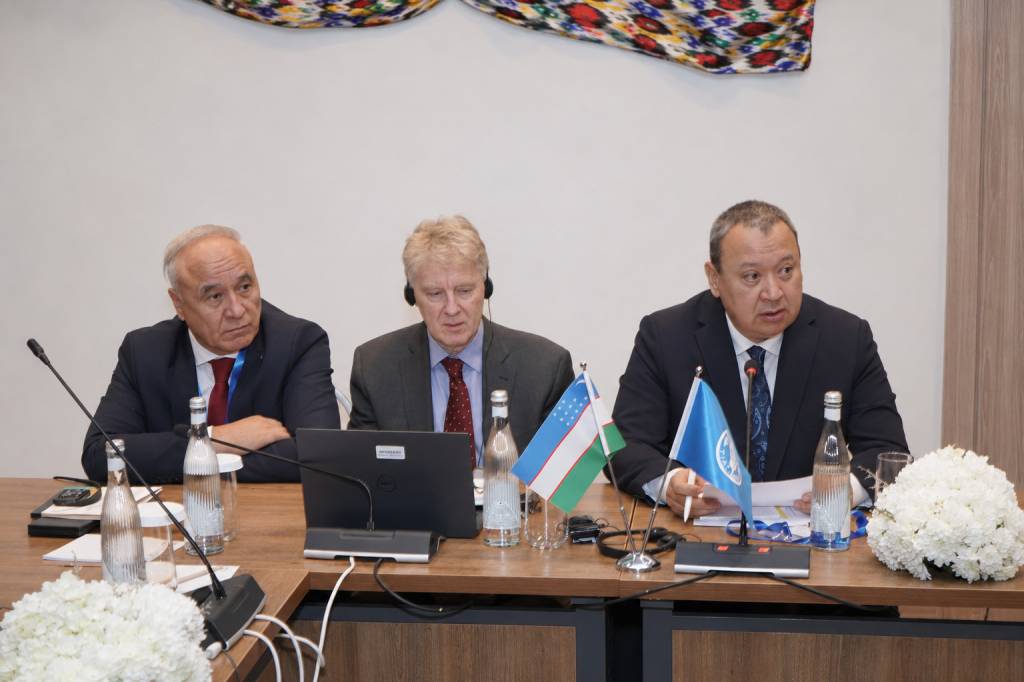
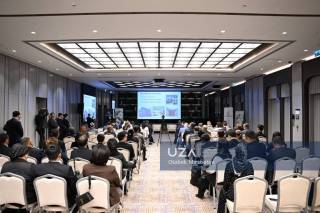
Researchers and specialists met in Samarkand for a regional workshop to exchange experience on making wheat production more resilient to climate change and improving farmers’ livelihoods. Discussions covered the wheat value chain, from maintaining soil fertility to bringing wheat to market.
The workshop, “From soil health to markets: sustainable wheat production systems for climate resilience and farmers’ livelihoods”, was held under the Food Systems, Land Use and Restoration (FOLUR) Impact Program in cooperation with the Food and Agriculture Organization of the United Nations (FAO).
Opening speakers included Rustam Kholmurodov, member of the Senate of the Oliy Majlis of the Republic of Uzbekistan, Jusipbek Kazbekov, Deputy Chair of the National Committee on Ecology and Climate Change, Nuriddin Kushnazarov, Adviser to the Minister of Agriculture, and Sherzod Umarov, Assistant FAO Representative in Uzbekistan. They highlighted priorities and technologies for maintaining soil fertility and helping agriculture adapt to climate change.
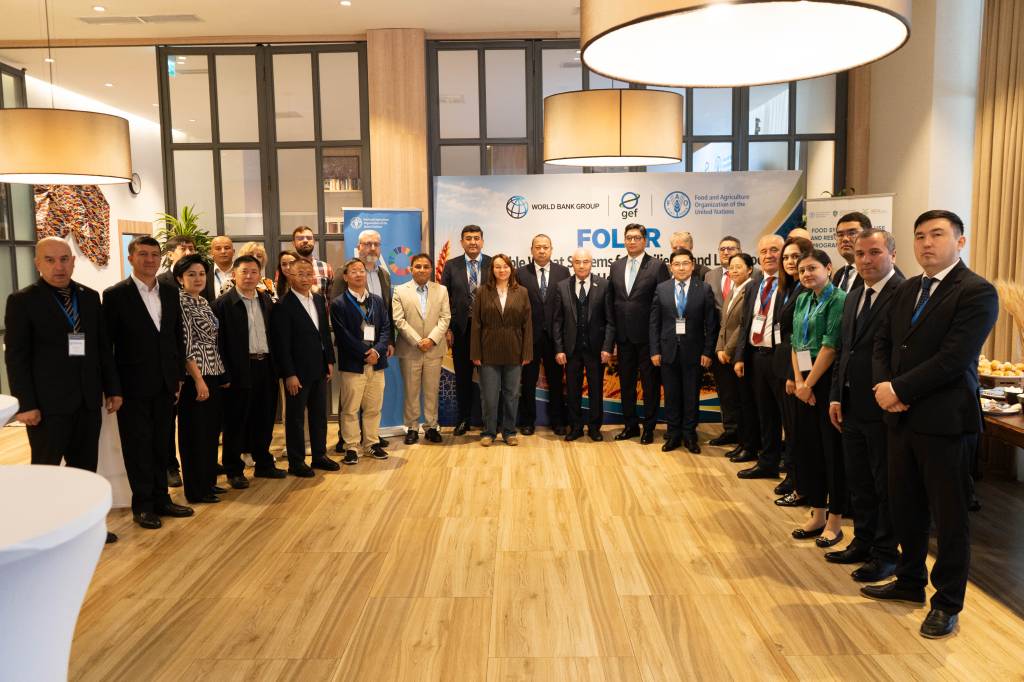
The workshop brought together representatives of the World Bank, the International Center for Agricultural Research in the Dry Areas (ICARDA) and the International Maize and Wheat Improvement Center (CIMMYT), as well as researchers and specialists from Uzbekistan, China, Nepal, Morocco, Italy, Switzerland, India, Palestine, Poland, Kazakhstan, the United Kingdom and Ukraine.
“Sustainable wheat production is directly linked to food security and farmers’ incomes. We need to turn research findings into practical solutions that farmers can use”, said Rustam Kholmurodov, member of the Senate of the Oliy Majlis of the Republic of Uzbekistan.
Researchers from Uzbekistan, China, Nepal, Italy, Switzerland, Palestine and Poland gave presentations on global wheat production, minimum tillage, crop diversification, disease management, plant breeding, regenerative agriculture, water-saving technologies and digital agriculture. They also examined how to add value along the wheat supply chain and reduce the environmental impact of production. Participants considered how these approaches could help farmers reduce production costs and adapt to climate change.
“A long-term priority for wheat production should be to increase grain yields and maintain soil fertility while protecting the environment and biodiversity”, said Jusipbek Kazbekov, Deputy Chair of the National Committee on Ecology and Climate Change of the Republic of Uzbekistan.
Participants also discussed breeding wheat varieties resistant to diseases and pests, putting breeding advances into practice and using biological crop protection. They considered ways to improve the wheat value chain from production to market and expand farmers’ access to new technologies.
“For farmers, the benefits of a new technology have to be visible in the field. It should reduce water use and costs, improve crop quality and increase incomes. Demonstration plots help us assess these solutions in practice and share what we learn with farmers”, said Nuriddin Kushnazarov, Adviser to the Minister of Agriculture of the Republic of Uzbekistan.
Representatives of Uzbekistan, China, Kazakhstan, India and Ukraine presented progress and results from their respective projects under the FOLUR Impact Program. Through the FOLUR Uzbekistan project, FAO is supporting the adoption of sustainable agricultural practices in areas prone to salinity and drought. The project aims to improve soil health, promote efficient use of land and water resources and increase farmers’ incomes.
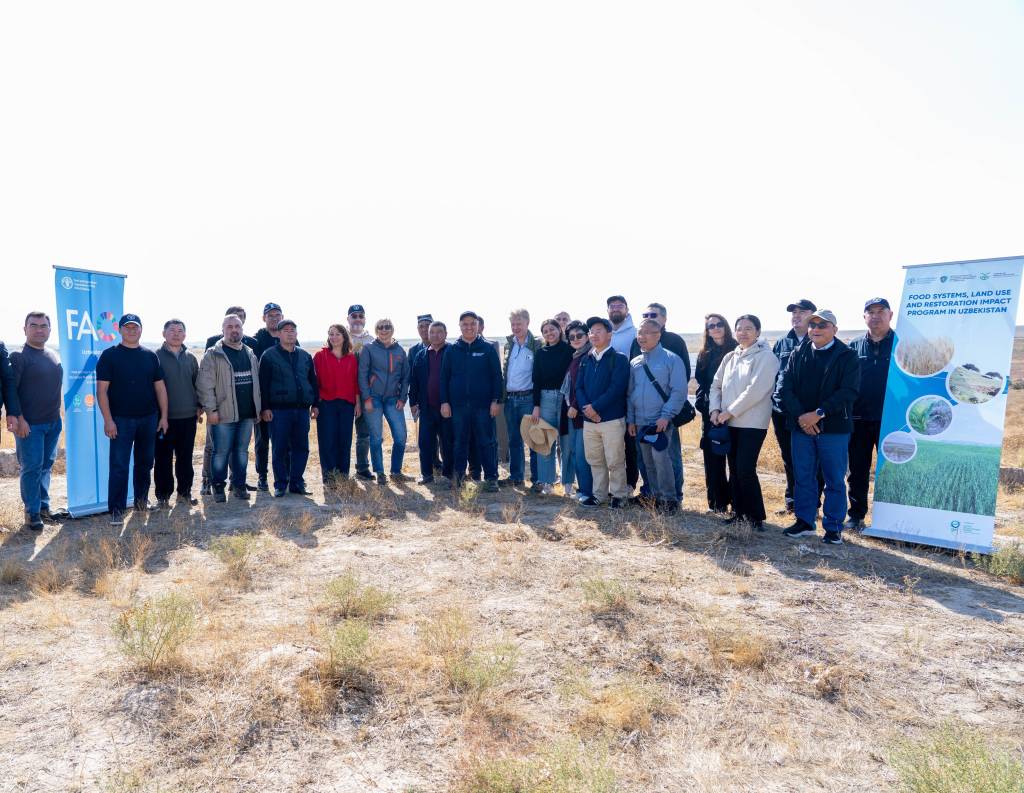
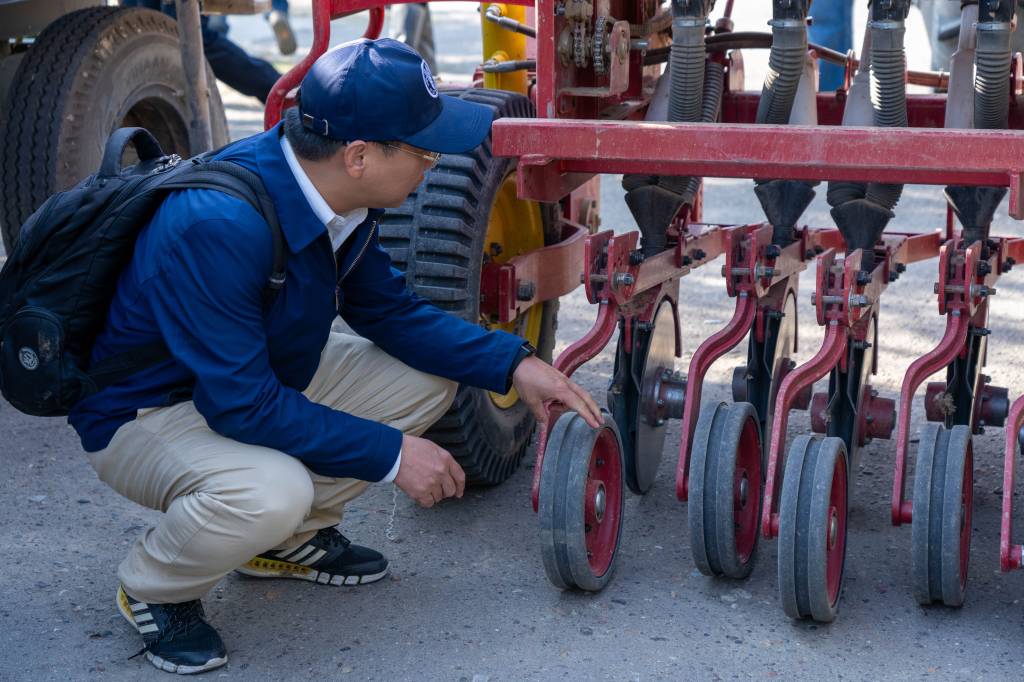
Participants visited demonstration sites in Kashkadarya region. In Kamashi district, they learned about rainwater harvesting and rainfed wheat production. In Shahrisabz district, they observed how winter wheat is sown and grown on irrigated land without tillage. They also saw wheat seed cleaning equipment in operation.
The visit included a demonstration of digital irrigation practices in cotton production and a discussion on how these technologies can reduce water use and improve yields.
Participants also explored ways to increase the share of legumes in rainfed and irrigated cropping systems, monitor soil degradation, manage land resources sustainably and strengthen cooperation with the private sector. The workshop and field visit gave participants an opportunity to compare research findings with field experience and assess which practices could be applied in different growing conditions.
UzA