Prospects for strengthening the Uzbekistan – U.S. partnership discussed at Hudson Institute
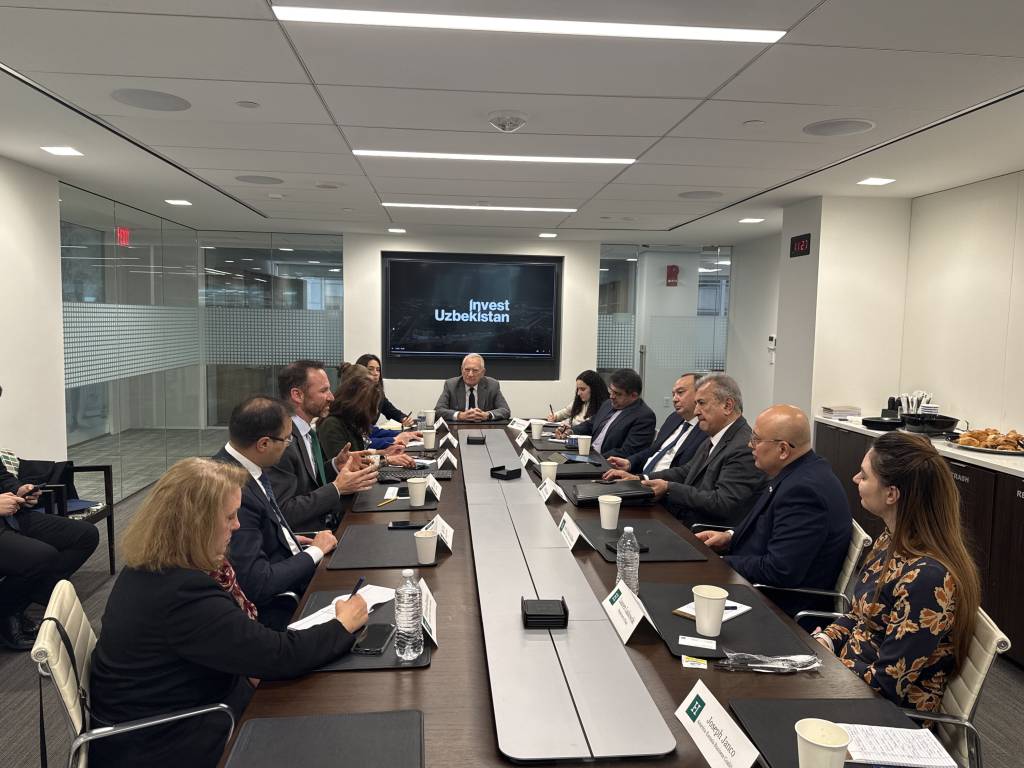
On November 19, a roundtable discussion entitled “New Uzbekistan and Uzbek-American Strategic Ties” was held at the Hudson Institute in Washington, D.C.
The event was attended by a delegation from Uzbekistan comprising Sodiq Safoev, First Deputy Chairman of the Senate of the Oliy Majlis of the Republic of Uzbekistan, and Eldor Aripov, Director of the Institute for Strategic and Regional Studies under the President of the Republic of Uzbekistan (ISRS). The American side included representatives of leading think tanks and staff members of the U.S. Department of State.
The discussion focused on prospects for strengthening the bilateral partnership, expanding industrial and technological cooperation, and engagement on regional security issues.
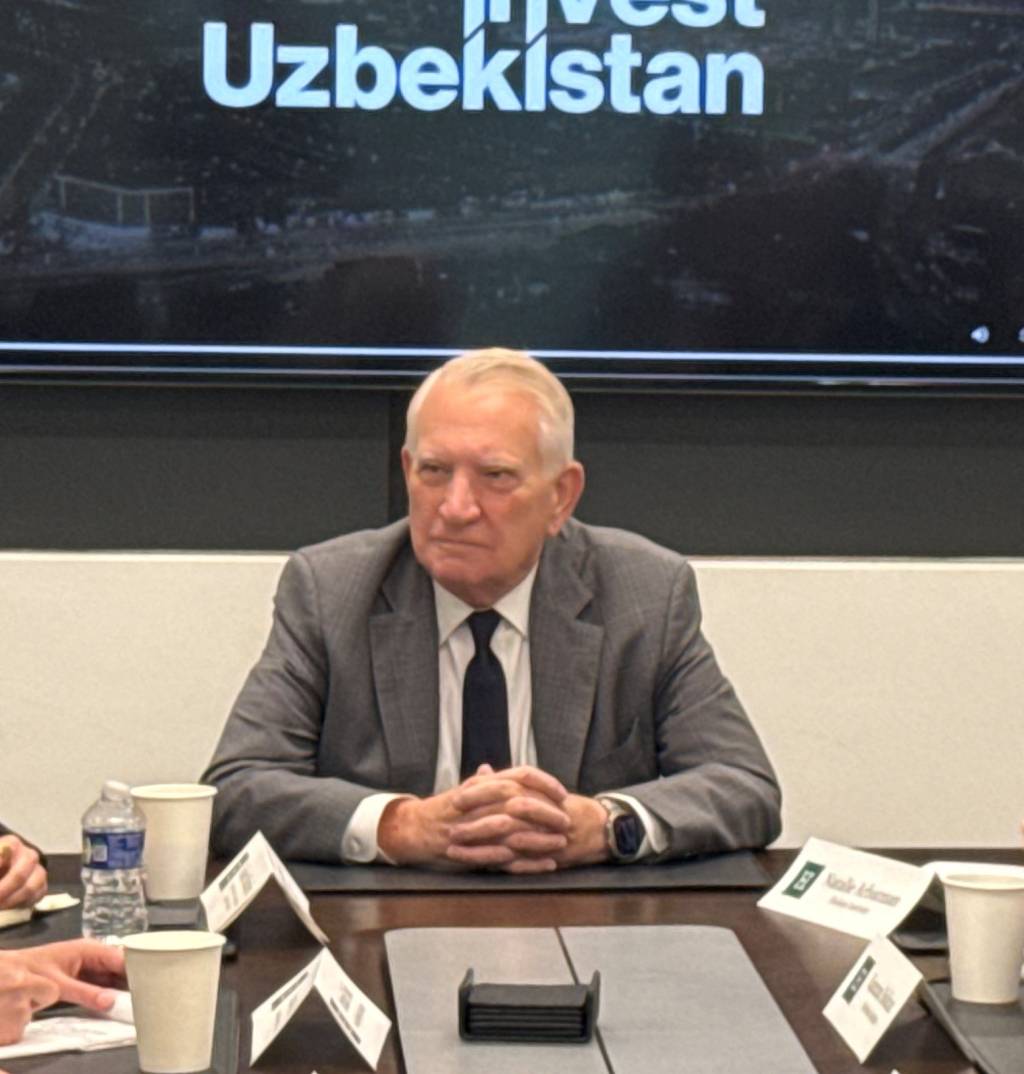
In his welcoming remarks, Hudson Institute President John Walters noted the growing interest of the United States in Central Asia. He cited U.S. Secretary of State Marco Rubio’s visit to Samarkand in October and the C5+1 meeting held there as a clear indication of this interest. John Walters also highly praised the scale of the agreements reached with Uzbekistan, highlighting a package of agreements worth $12 billion.
In discussing practical areas of cooperation, participants paid particular attention to industrial and technological cooperation, including critical minerals. They noted the need to expand cooperation across the entire value chain, from geological exploration and extraction to processing and manufacturing, as well as in scientific research and personnel training.
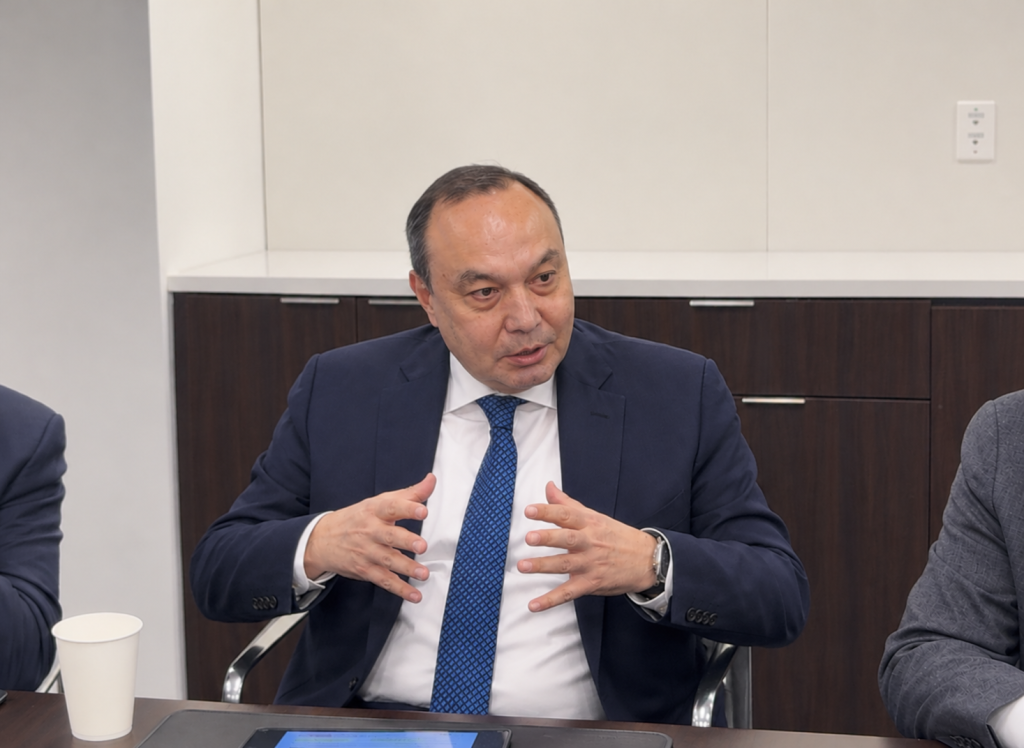
Further elaborating on economic cooperation, Eldor Aripov outlined prospects for cooperation in mechanical engineering, energy, agriculture, and finance. According to him, a shift from purchasing American products to long-term investment, joint production, and value creation could give the bilateral partnership a sustainable character.
Among the priorities, Mr. Aripov also highlighted developing transport connectivity. He highlighted the potential of the China – Kyrgyzstan – Uzbekistan railway, the Trans-Caspian Corridor, and the Trans-Afghan Railway project to expand access to international markets and diversify supply chains. He emphasized that the openness, predictability, and accessibility of these routes serve the long-term economic interests of Central Asian states and the United States.
Regional security was another topic of the discussion. Participants paid particular attention to counterterrorism efforts and promoting the stabilization of Afghanistan through its economic development and integration into the regional connectivity system.
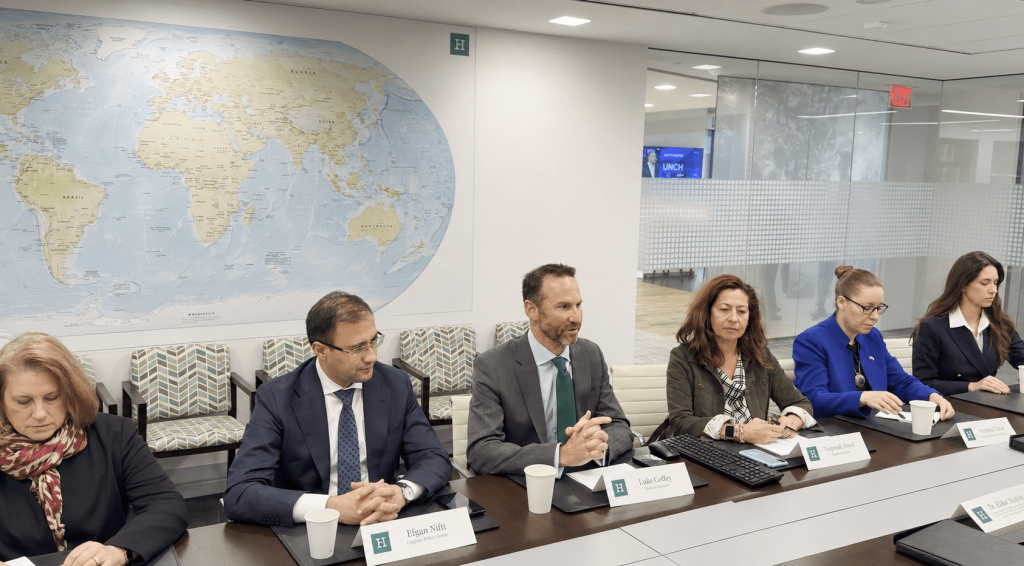
Following the event, participants emphasized the importance of advancing Uzbekistan – U.S. dialogue, strengthening mutual understanding, and expanding practical cooperation in areas of mutual interest.
Hudson Institute is a prominent American think tank founded in 1961 and headquartered in Washington, D.C. It specializes in research on national security, foreign and domestic policy, economics, technology, and law.
UzA