Islamic Civilization Center showcases Central Asia’s scientific and spiritual heritage at the UN Office at Geneva
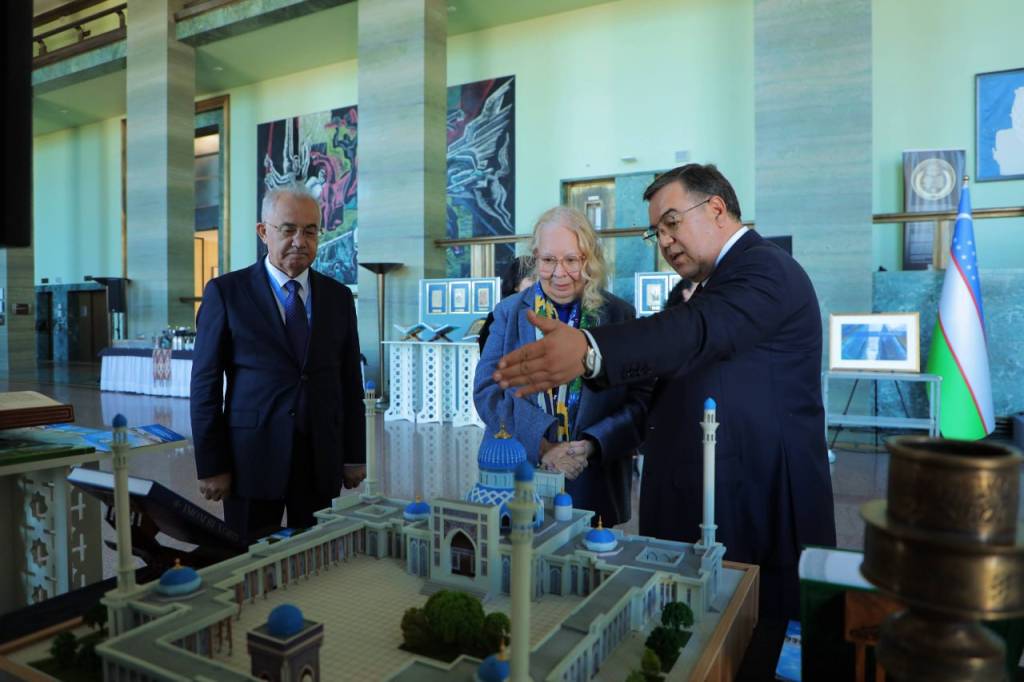
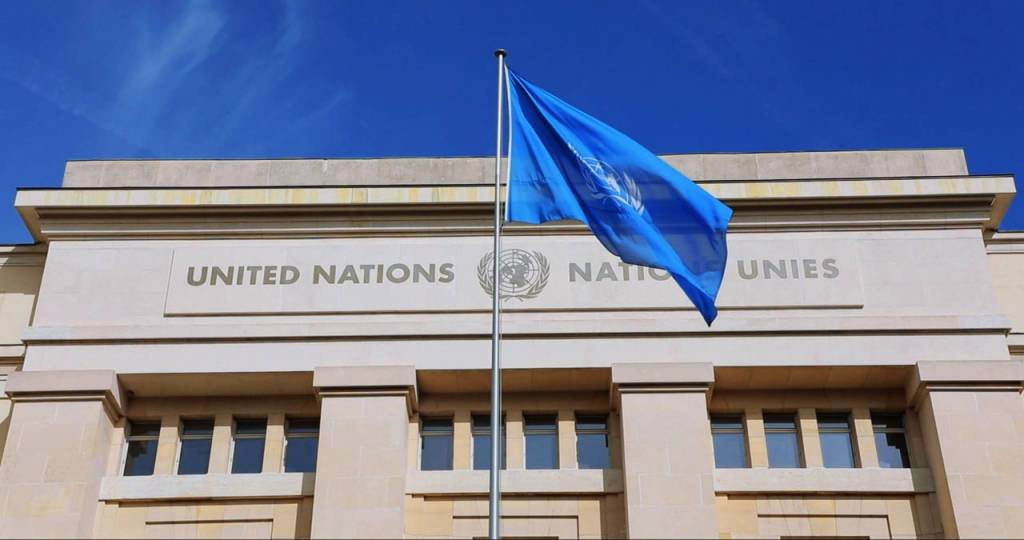
At the United Nations Office at Geneva, the Islamic Civilization Center in Uzbekistan showcased Central Asia’s scientific and spiritual heritage, along with modern projects to study, preserve, and promote it.
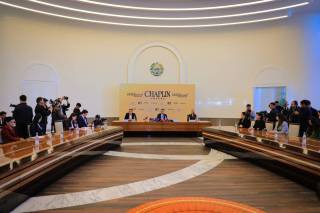
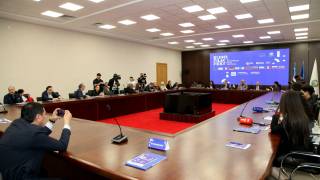
The Palais des Nations hosted an exhibition, “Civilizations, Personalities, Discoveries”, and an international scientific conference attended by diplomats, representatives of international organizations, scholars, and cultural figures.
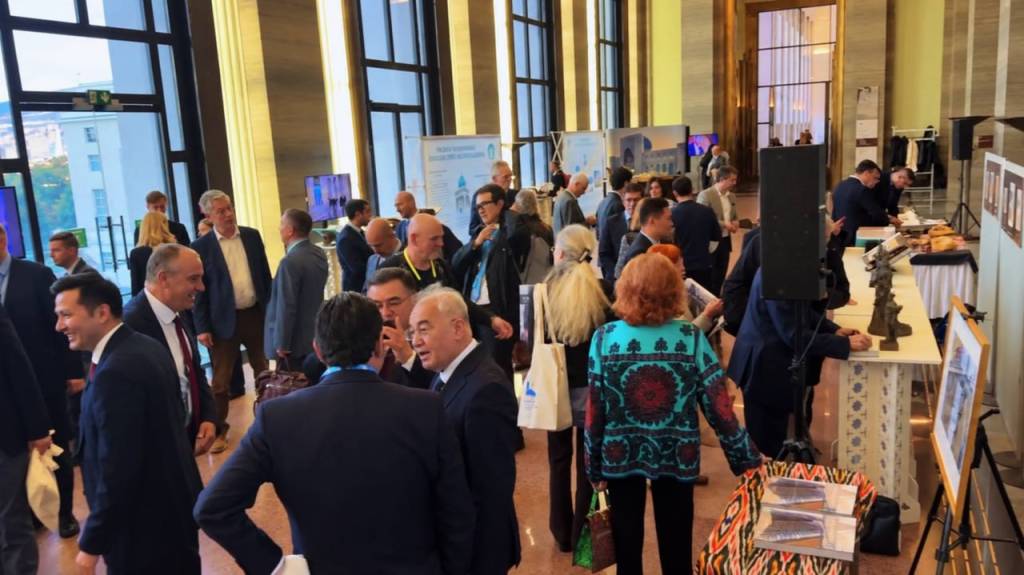
The conference, titled “Islamic Civilization: The Great Spiritual and Scientific Heritage of Mawarannahr and Horizons of Enlightenment”, explored how the scholarly traditions of Bukhara, Samarkand and Termez contributed to world civilization and why this heritage remains relevant to contemporary society.
The program opened with the exhibition “Civilizations, Personalities, Discoveries”, featuring books, scientific and illustrated publications, miniatures, and materials on the lives and discoveries of Central Asia’s great thinkers. It highlighted the richness of the region’s scientific and artistic traditions and how knowledge has been passed down through generations.
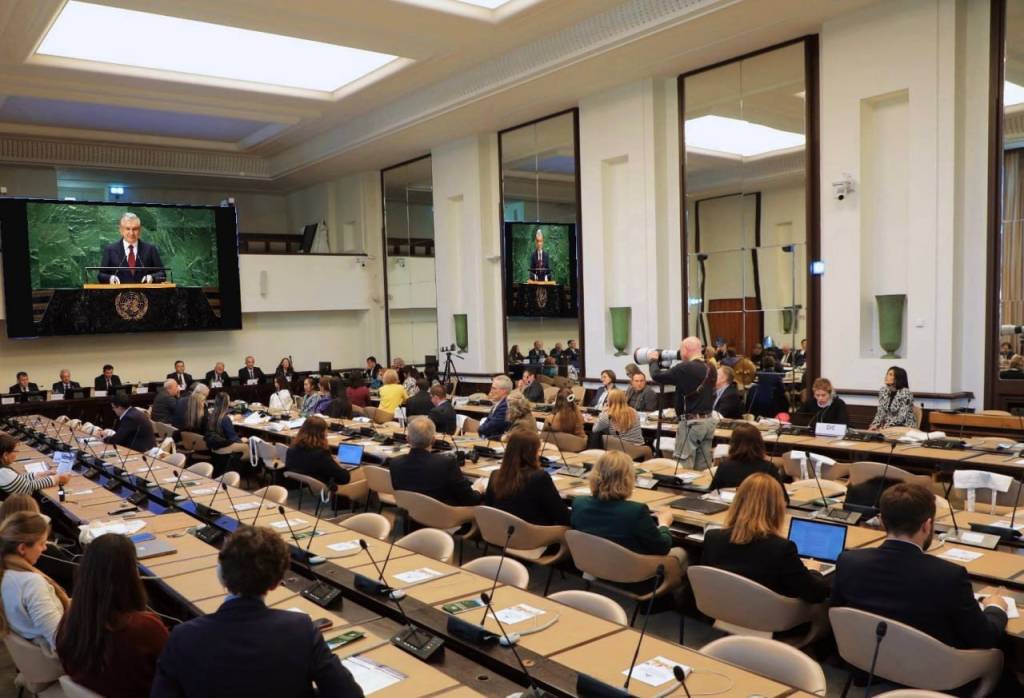
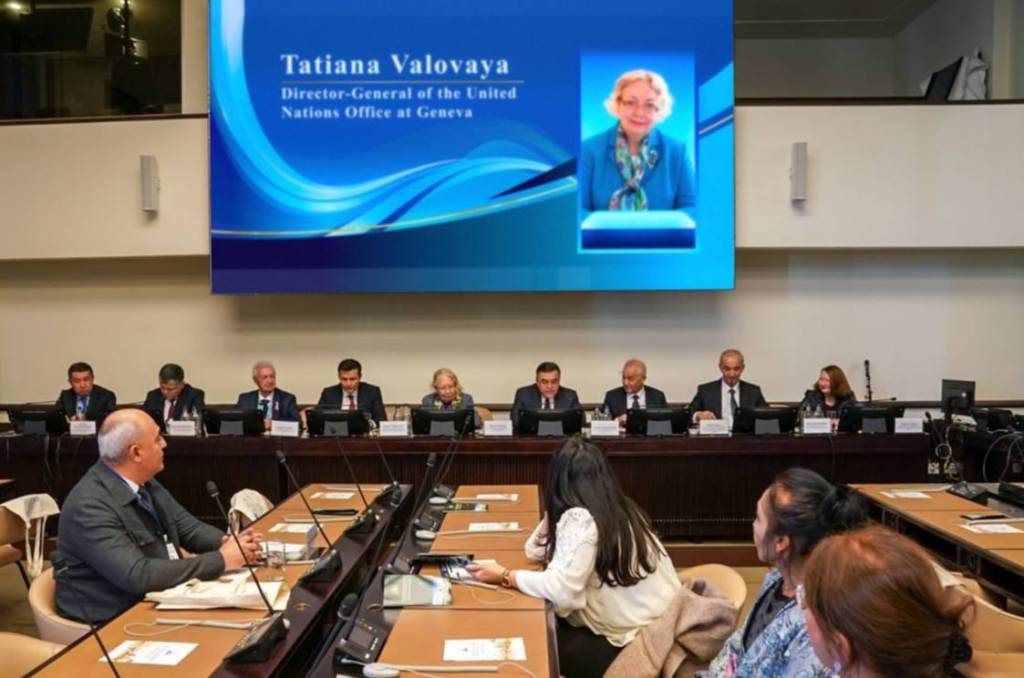
The event opened with welcoming remarks from Tatiana Valovaya, Director-General of the United Nations Office at Geneva, and Eldiyor Toshmatov, Permanent Representative of the Republic of Uzbekistan to the United Nations Office and other international organizations in Geneva.
Akmal Saidov, Director of the National Center for Human Rights of the Republic of Uzbekistan, also addressed the opening ceremony of the conference.
Firdavs Abdukhalikov, Director of the Islamic Civilization Center in Uzbekistan and Chairman of the Board of the World Society for the Study, Preservation and Popularization of the Cultural Heritage of Uzbekistan (WOSCU), delivered the keynote address. He outlined the Center’s international mission, which combines museum activities, scientific research, and educational initiatives, and highlighted prospects for future cooperation.
Participants focused particularly on the legacy of Imam Bukhari, Imam Termizi and Imam Maturidi, whose contributions are closely tied to the scholarly traditions of Bukhara, Termez and Samarkand.
The conference ended with discussions about prospects for joint projects in science, culture, and education.
UzA